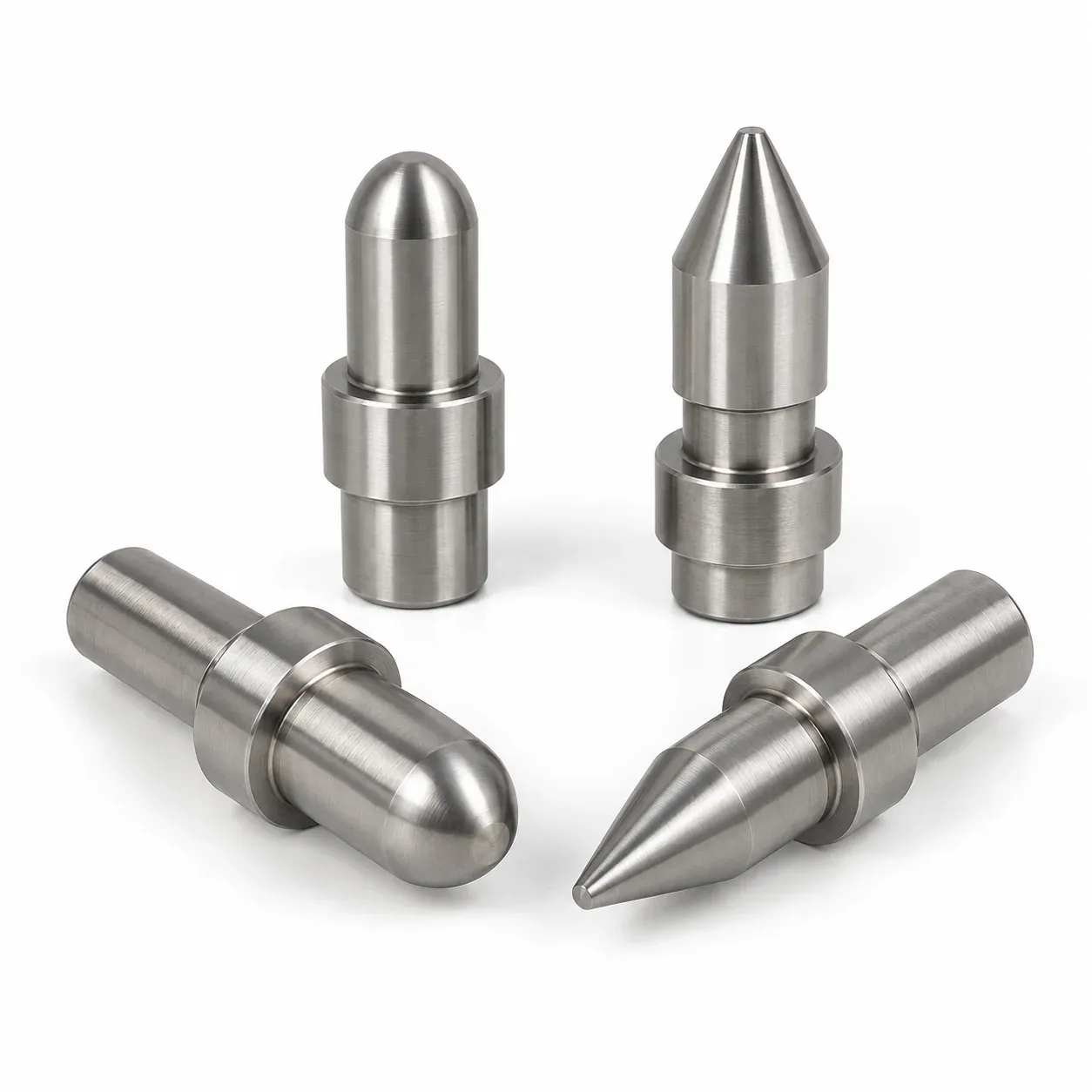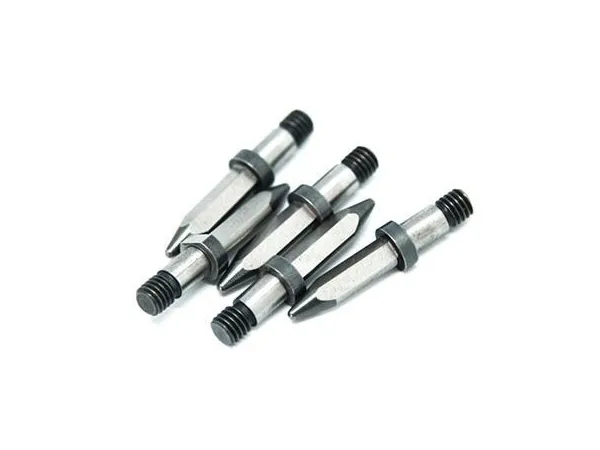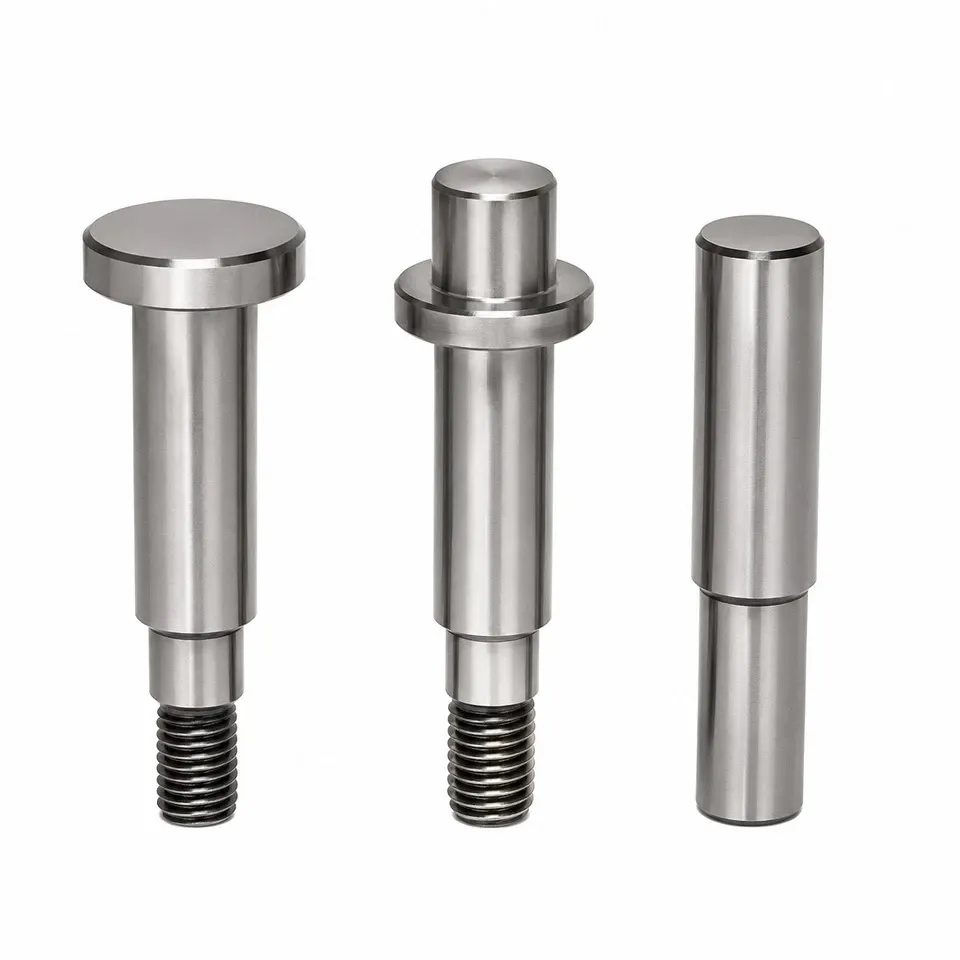
Precision Locating & Alignment Components
Round & Diamond Locating Pins
Complementary locating pin configurations used to position components accurately while helping avoid over-constraint in fixture and assembly applications.
Round & Diamond Locating Pins for Controlled Alignment
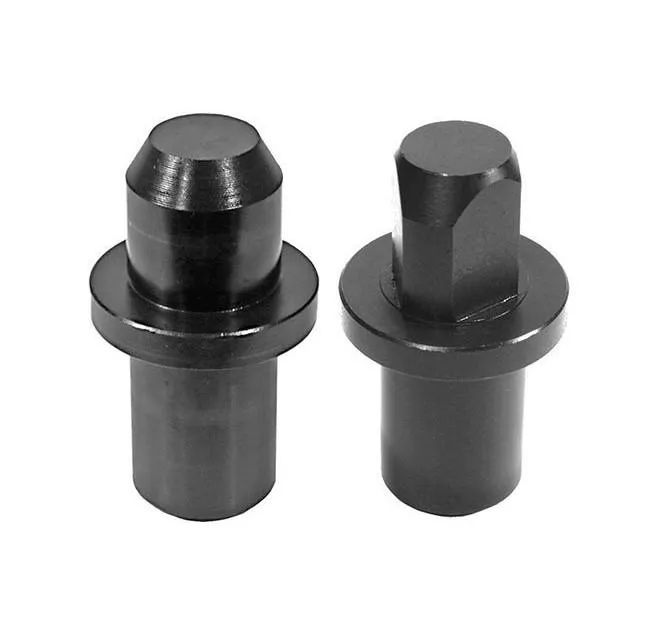
Round and diamond locating pins are complementary locating components used to establish repeatable positioning between mating parts, fixture plates and tooling.
A round locating pin establishes the primary locating position, while a diamond locating pin provides secondary location with directional clearance. Used together, they can help accommodate normal variation in hole spacing while maintaining controlled alignment.
Typical Applications
- Jigs and fixtures
- Assembly tooling
- Inspection fixtures
- Fixture plates and subplates
- Machinery components
- Repeatable component alignment
Round vs. Diamond Locating Pins
Round locating pins are typically used at the primary locating point to control position.
Diamond locating pins provide relief in one direction at the secondary locating point, helping avoid unnecessary over-constraint when two locating points are used together.
Selecting a Locating Pin
Key selection parameters include pin diameter, locating geometry, engagement length, mounting configuration and mating interface.
The required locating arrangement should be reviewed together with the surrounding component geometry and application requirements.
Mating Holes & Locator Bushings
Locating pins can engage directly with prepared mating holes or with suitable locator bushings where the application requires a defined locating interface.
Pin and mating-interface dimensions should be considered together when reviewing the locating arrangement.
What to Send for an RFQ
- Required quantity
- Round or diamond configuration
- Pin diameter
- Engagement or locating length
- Mounting configuration
- Mating hole or bushing information, if applicable
- Material or finish requirement, if specified
- Drawing, existing part number or reference product, if available
Incomplete information is acceptable for an initial review. Existing part numbers, drawings or reference products can help us clarify the locating requirement.