Sep 15, 2026
Choosing an Indexing Plunger: What Matters Beyond Thread Size
A configuration guide for selecting indexing plungers by engagement, operation, mounting interface and application needs.
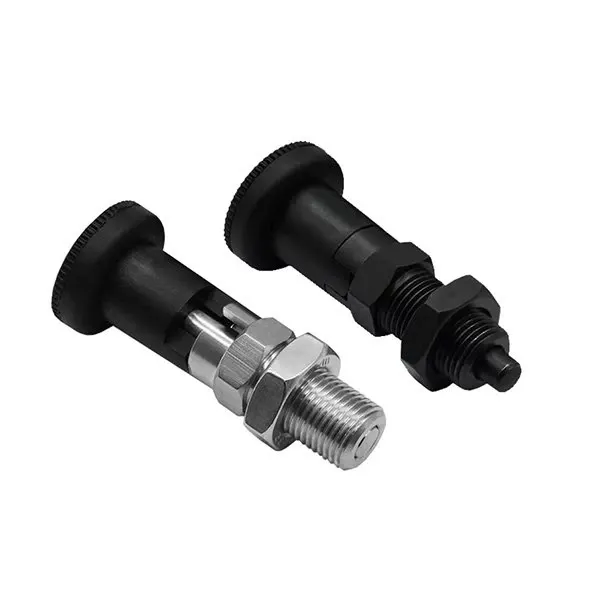
Thread size is only one part of selecting an indexing plunger. The plunger must also engage correctly, be accessible to the operator and match the mounting and mating interface in the equipment.
Direct Answer: Start with Function, Not Only Thread Size
A correct indexing plunger selection should consider pin geometry, stroke or engagement requirement, mounting interface, operating access, lock-out needs, cam-action needs and the mating hole or bushing condition. Thread size alone does not confirm that the plunger will work in the assembly.
Engagement and Pin Geometry
The pin end must engage the intended hole, slot or stop surface. Buyers should confirm the required engagement depth, release direction and whether the locating point is used for positioning, indexing or holding an adjustable component.
If the mating feature is not defined, include a drawing or sketch. The plunger and mating feature should be reviewed together.
Mounting Interface and Available Space
Thread size, body length, mounting surface and surrounding clearance all affect installation. A plunger that fits the thread may still be difficult to install or operate if the knob, lever or body interferes with adjacent parts.
Manual Operation and Access
Operation frequency matters. A component adjusted many times per shift may need a different handle or release style than a setup element adjusted only occasionally.
Consider whether the operator can reach the plunger, whether gloves are used and whether the plunger needs to remain retracted during adjustment.
Standard, Lock-Out and Cam-Action Configurations
Standard spring-loaded plungers are useful where the pin should return automatically. Lock-out styles can hold the pin retracted when the component must move freely during adjustment. Cam-action styles can make repeated manual operation faster in some layouts.
Cam-action is not automatically better. It should be selected only when the operating motion, access and engagement conditions make it suitable.
Standard or Modified-Standard Requirement
A standard configuration may be enough when thread, pin diameter, engagement and operating style match the application. Modified-standard review may be needed when mounting geometry, handle access, material requirement or mating interface differs from normal options.
RFQ Checklist for Indexing Plungers
- Thread or mounting interface requirement
- Pin diameter, stroke or engagement requirement
- Standard, lock-out or cam-action operating preference
- Operator access and frequency of adjustment
- Mating hole, slot or bushing information
- Quantity, drawing, reference part or application sketch
Related product:
Precision Indexing Plungers
Related option:
Cam-Action Indexing Plungers