Sep 15, 2026
How to Select the Right Ball Lock Pin: 6 Things to Confirm Before Ordering
A pre-purchase checklist for specifying ball lock pins clearly before requesting a quote.
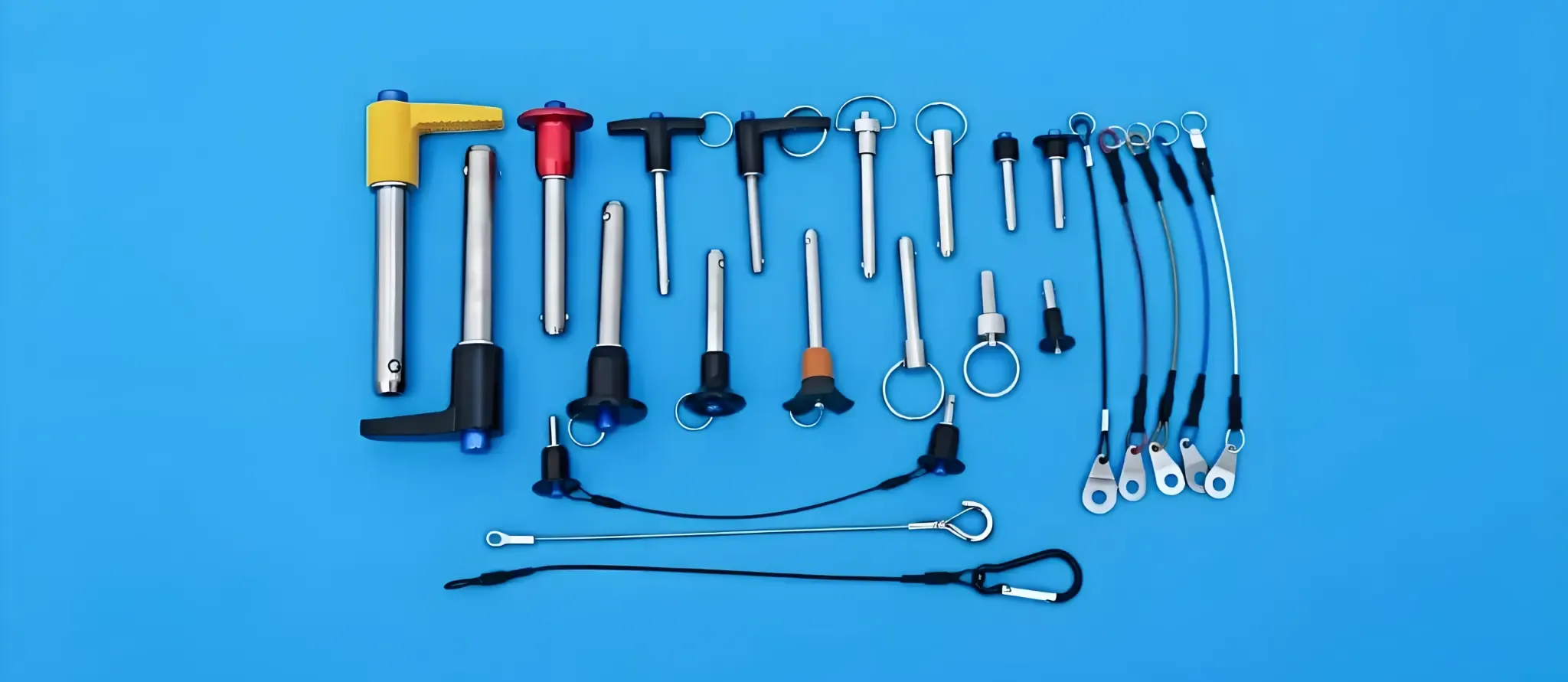
A ball lock pin RFQ is easiest to review when the basic selection details are already clear. The goal is not to overspecify the part; it is to provide enough information to identify the correct pin style, usable length and operating arrangement.
Direct Answer: Confirm Six Items Before Ordering
Before requesting a quote, confirm pin diameter, grip or usable length, handle configuration, mating interface, operating environment and quantity or reference information. Missing one of these details can delay selection or lead to a pin that does not fit the intended assembly.
1. Pin Diameter
Pin diameter controls the basic fit with the mating hole or fixture interface. Buyers should confirm the nominal diameter and whether the existing hole, plate or receiver interface is already defined by a drawing or reference part.
A common specification gap is giving only an overall product name without the working pin diameter. If the mating hole is already fixed, share that information with the RFQ.
2. Grip or Usable Length
Grip length is the working length through the assembled components. It is different from simply describing the overall pin length. The supplier needs to understand the stack-up the pin must pass through and lock against.
If plates, brackets or removable components vary in thickness, provide the required usable length range or the drawing stack-up rather than a rough estimate.
3. Handle or Operating Configuration
Handle style affects how the pin is installed, removed and accessed. Ring, button, T-handle, L-handle and other configurations can suit different operator access and retention needs.
The best choice depends on available space, whether gloves are used, whether frequent removal is expected and whether the handle could interfere with nearby components.
4. Mating and Installation Interface
Ball lock pins need a suitable mating condition so the locking feature can engage as intended. The RFQ should describe whether the pin is used through plain holes, a bracket, a removable fixture element or a defined locking interface.
Do not assume that every manual ball lock pin uses the same interface as a ball lock fixture mounting system. If an existing receiver or fixture component is involved, provide the drawing or part reference.
5. Material and Operating Environment
Material and finish requirements depend on environment, exposure and buyer specification. Outdoor use, washdown, corrosion exposure or general indoor equipment can lead to different preferences.
Avoid unsupported assumptions about material grade or certification. State the required material only if it is known, or ask for options based on the application environment.
6. Quantity, Drawing or Reference Information
Quantity affects sourcing review, lead time and whether a standard or modified-standard option should be considered. Existing part numbers, sketches, photos and drawings can reduce back-and-forth.
RFQ Checklist for Ball Lock Pins
- Pin diameter and mating hole information
- Grip or usable length through the assembled parts
- Handle or operating configuration
- Mating interface or fixture condition
- Material, finish or environment requirement if specified
- Quantity, drawing, existing part number or reference photo
Related product:
Ball Lock Pins